What to Expect as a Travel Home Health LPN
Make a difference as a home health travel LPN
Home health travel offers clinical autonomy you won't find in facility-based roles. You're the skilled nurse in the room—assessing patients, managing medications, coordinating care with physicians and case managers, and making independent clinical decisions. Every patient home is different. Every caseload brings new conditions, family dynamics, and care challenges that expand your expertise in ways a single facility cannot match. Travel assignments let you work in communities you choose—rural areas, growing suburbs, coastal towns—and experience healthcare delivery outside institutional walls. Between assignments, you control your next location and your next clinical focus. The schedule flexibility of home health travel—built around patient visits rather than 12-hour shifts—creates space for the life you want alongside the career you're building.
What is a home health travel licensed practical nurse?
Your one dedicated recruiter learns your home health specialty, your preferred patient populations, your geographic priorities, and your deal-breakers. They vet assignments before presenting them—caseload size, visit frequency, patient acuity, and agency culture. When something shifts on your assignment, your recruiter advocates for you, not the facility. They coordinate licensing support for your assignment state, manage housing logistics, and handle the practical details so you focus on patient care. Day one health insurance, dental, and vision coverage means uninterrupted protection from your first visit.
Home health LPN essential functions:
Conduct regular assessments of the patient's health status including monitoring vital signs, observing emotional and physical conditions, and tracking progress
Administer prescribed medications and treatments to patients, ensuring correct dosages and timing
Provide basic nursing care, which can include dressing wounds, assisting with hygiene needs, and supporting mobility
Educate patients and their families about the patient's health conditions, treatment plans, and how to manage medications and treatments at home
Maintain accurate, detailed reports of patients' conditions, care provided, and any changes in the patient's condition
Coordinate with registered nurses, doctors, and other healthcare professionals to ensure that the patient's care plan is being followed and updated as necessary
Choose where you go
With opportunities for travelers all over the country, we’ve selected areas with the most popular medical traveling jobs to help you find your best fit.
Advantages & perks for LPN home health travel jobs

Competitive pay
Travel nurses are the backbone of medical traveling. Pay transparency means you can see what you'll actually get paid before you even apply.

Certifications
Level-up, nurse. Get your state licenses and travel nurse requirements reimbursed.

Per diem
Travel nurses qualify for a weekly, tax-free per diem that can help you cover the cost of moving, like your transportation, meals, and other expenses.

Travel life
See new spaces. See new faces. Grow and learn in your nursing career as you grow and learn in various cities all over the country.
Travel nursing compliance & licensure
Home health LPN travel typically requires an active LPN license in your assignment state, BLS certification, and a valid driver's license. Most facilities expect 1–2 years of clinical nursing experience, with preference for diverse home health or acute care background. Some agencies value wound care certification or home health-specific training, though requirements vary by facility and assignment. Your recruiter verifies all licensing and certification needs for your specific assignment before you start. State licensing processes differ—your recruiter handles paperwork coordination while you prepare clinically.
Degrees & certifications
Keeping up with the world of licensing and certification can be intimidating. Degrees and certifications depend on your modality and specialty but getting compliant for your home state and others you want to travel to is easier as a medical professional. Compliance experts work with your travel nursing agency recruiter and the facility to ensure that you have all the relevant credentials required for any and all travel jobs.
Compliance requirements
Some of your compliance requirements are the same across the board, but there are others that will depend on your specialty in nursing.
The three parts of compliance
Occupational health records: Required immunizations and health examinations
Documentation: Tax forms, insurance paperwork, and licenses
Testing: Certifications, online training, and workplace safety exams
F.A.Q.s
What makes home health travel different from facility-based travel nursing?
Home health travel puts you in patients' homes, not hospitals. You work independently—assessing, treating, and coordinating care without colleagues down the hall. Your schedule is built around patient visits rather than 12-hour shifts. You navigate different home environments, manage your own time between visits, and develop deeper relationships with patients and families.
How does my Fusion recruiter support home health assignments?
Your recruiter screens agencies for caseload size, visit frequency, and patient acuity before you accept. They coordinate mileage reimbursement logistics, handle state licensing paperwork, and match you with assignments that fit your clinical preferences and geographic goals. When issues arise—housing falls through, caseload shifts unexpectedly—they advocate for you and help find solutions.
What certifications do I need for travel home health LPN assignments?
You'll need an active LPN license in your assignment state, BLS certification, and a valid driver's license. Some facilities prefer wound care certification or home health-specific training, though requirements vary. Your recruiter confirms all certification needs for your specific assignment and coordinates any state-specific licensing steps.
How does housing work for home health travel assignments?
Fusion provides housing assistance for your assignment location. Your recruiter coordinates logistics—finding housing near your patient caseload area, managing lease arrangements, and handling move-in details. Housing support is part of your day one benefits package, so you're covered from your first shift.
What should I expect on my first home health assignment?
Your first week focuses on orientation—meeting the agency team, learning their documentation system (OASIS), understanding the patient population and caseload, and shadowing experienced nurses. Home health has a steeper learning curve than facility roles because you're working independently in varied home environments. Your recruiter prepares you for what to expect clinically and practically.
How does Fusion handle licensing support across different states?
Your recruiter coordinates the licensing process for your assignment state—submitting paperwork, tracking timelines, and ensuring your credentials are verified before your start date. Processing times and fees vary by state. Fusion covers licensing support as part of your assignment package.
What benefits do I get as a Fusion home health traveler?
Day one health insurance, dental, and vision coverage start immediately—no waiting periods. Housing assistance, mileage reimbursement, and licensing support are included. You also get access to your dedicated recruiter 24/7 for questions or emergencies.
Can I extend my assignment or transition to a new location?
Yes. Many home health travelers extend at agencies they enjoy, while others rotate to build diverse clinical experience. Your recruiter works with you on both options—negotiating extensions with current facilities or identifying your next assignment in a new location. The flexibility to extend or move is one of the key advantages of travel home health. Your recruiter makes the transition seamless.
Fresh reads

DEC 8, 2025
What Healthcare Travelers Love About Fusion Recruiters
We collect a lot of feedback here at Fusion Medical Staffing. And we mean A LOT. Our Traveler Experience team is always listening to travelers, so we
MAY 19, 2025
Introducing the Fusion Medical Staffing App: Your Travel Sidekick
Finding your next assignment is a whole lot easier, thanks to the Fusion Medical Staffing app! Our healthcare traveler job search app was made for you
JUN 14, 2021
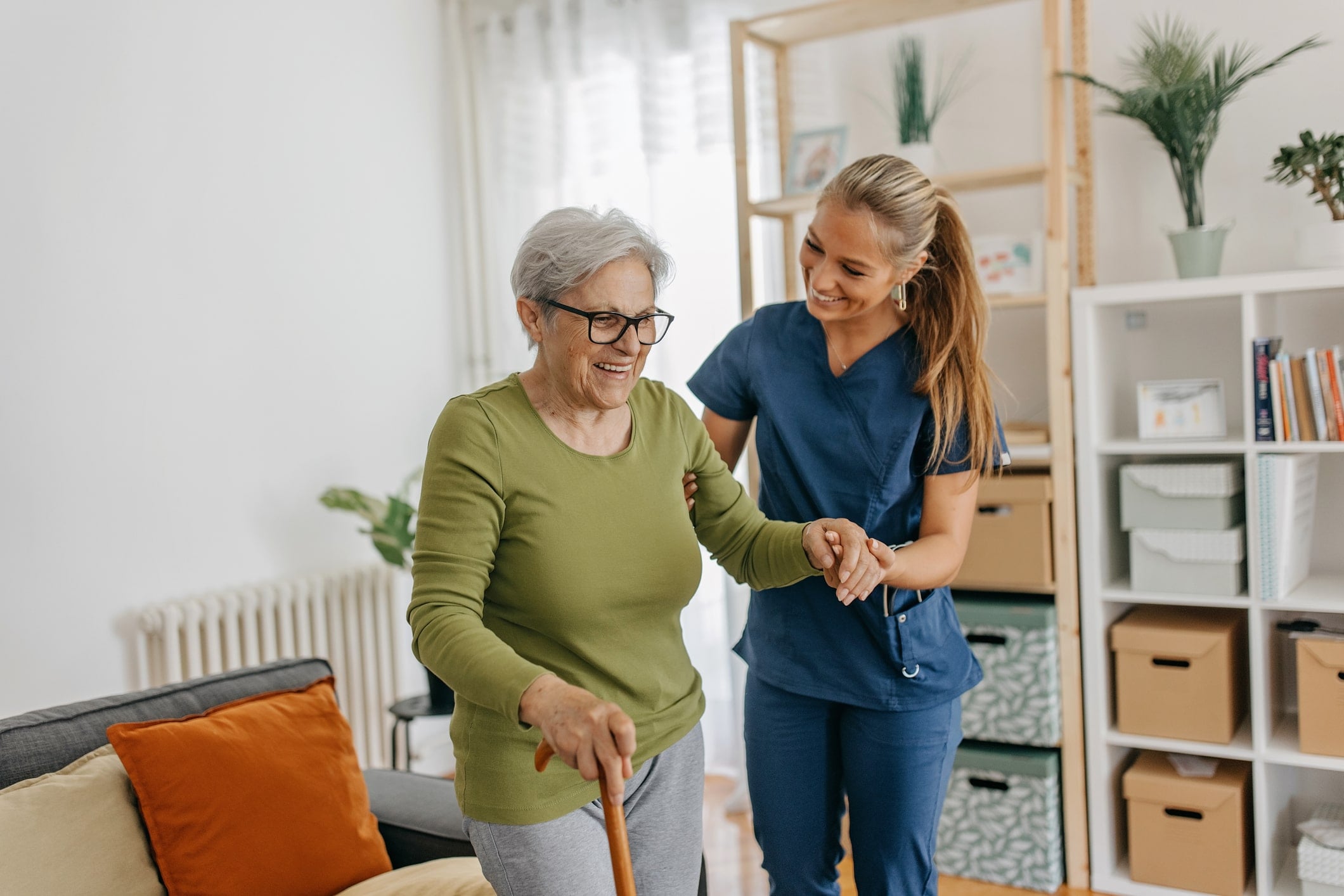
The Rising Demand for Home Health RNs in the Medical Staffing Industry
“Home health registered nurses (RNs) are independent, hard-working, creative multi-taskers,” said Fusion Medical Staffing’s Home Health Division Manag
