What to Expect as a Travel Surgical Tech
What to Expect as a Travel Surgical Tech
Make a difference as a travel surgical tech
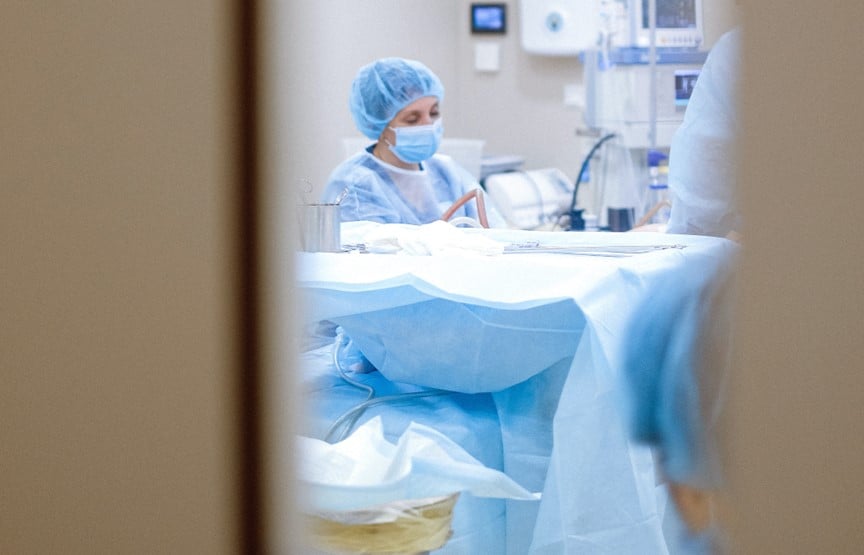
Travel surgical tech assignments put you in the center of different ORs across the country. You'll scrub general surgery one week, orthopedics the next—building a multi-specialty instrument repertoire that no single facility can offer. Different surgeons have different preferences, different ORs have different instrument sets, and different facilities have different case volumes. That variety is exactly what makes travel so valuable for your skills. You'll also experience different OR cultures. Some teams move fast with tight turnover expectations; others prioritize methodical case flow. Some surgeons are collaborative partners; others demand anticipation and silence. Travel lets you learn from all of them—and choose the environments where you thrive. The pay is competitive, reflecting the specialized skills and adaptability you bring to every assignment.
What is a travel surgical tech?
Your recruiter learns your specialty—the case types you want to experience, the surgeons and OR cultures you prefer, and the deal-breakers that matter to you. They vet assignments before presenting them, so you're not walking into surprises. When something goes sideways on assignment, your recruiter advocates for you. Day 1 benefits mean health insurance from your first shift. Licensing support handles state paperwork so credentialing delays don't push back your start date. Housing assistance gets you settled in competitive markets.
Typical surgical technologist responsibilities:
Prepare the operating room by setting up the surgical instruments and equipment, preparing sterile solutions, and ensuring that all surgical equipment is functioning properly
Sterilize all the tools that will be used during the operation
Prepare patients for surgery by washing and disinfecting incision sites
Pass instruments and other sterile supplies to surgeons and surgeon assistants
Hold retractors, cut sutures, and help count sponges, needles, and instruments
Assist in transferring patients to the recovery room and cleaning and restocking the operating room for the next operation
Assist surgeons and keep track of surgical supplies, equipment inventory, and patient records related to the surgery
Choose where you go
With opportunities for travelers all over the country, we’ve selected areas with the most popular medical traveling jobs to help you find your best fit.
Advantages & perks for travel surgical tech jobs

Competitive pay
Travel techs are the backbone of medical traveling. Pay transparency means you can see surgical tech salary information before you even apply.

Certifications
Level-up, tech. Get your state licenses and travel nurse requirements reimbursed.

Per diem
Travel surgical technology professionals qualify for a weekly, tax-free per diem that can help you cover the cost of moving, like your transportation, meals, and other expenses.

Travel life
See new spaces. See new faces. Grow and learn in your career as you grow and learn in various cities all over the country.
Medical traveler compliance & licensure
Most travel surgical tech positions require CST (Certified Surgical Technologist) certification and current BLS. You'll typically need 1–2 years of multi-specialty scrub experience with exposure to general surgery, orthopedics, and at least one additional specialty. Broad case type experience strengthens your candidacy and increases placement flexibility. Some facilities may require state-specific surgical tech licensure or registration—requirements vary by facility. Your recruiter confirms all credential expectations before you accept an assignment.
Degrees & certifications
Keeping up with the world of licensing and certification can be intimidating. Degrees and certifications depend on your modality and specialty but getting compliant for your home state and others you want to travel to are easier as a medical professional. Compliance experts work with your recruiter and the facility to ensure that you have all the relevant credentials and job details required for any and all travel surgical tech jobs.
Compliance requirements
Some of your compliance requirements are the same across the board, but there are others that will depend on your specialty.
The three parts of compliance
Occupational health records: Required immunizations and health examinations
Documentation: Tax forms, insurance paperwork, and licenses
Testing: Certifications, online training, and workplace safety exams
F.A.Q.s
How does my recruiter help me find the right surgical tech assignment?
Your recruiter learns what matters to you—case mix, OR culture, turnover pace, surgeon temperament, and location preferences. They vet assignments before presenting them so you know what you're walking into. If an assignment doesn't match what you discussed, they keep looking. This is a relationship, not a transaction.
What happens if something goes wrong during my assignment?
Your recruiter advocates for you—not the facility, not the agency, you. If staffing expectations shift, instrument availability becomes an issue, or surgeon dynamics change, your recruiter helps find a solution. That might mean facility-level conversations, assignment modifications, or helping you transition to a better fit.
When do my benefits start with Fusion?
Health insurance, dental, and vision coverage begin on day one of your assignment—no waiting period. This means you're protected from your first shift, with no gap in coverage between assignments. Your recruiter coordinates benefits enrollment before you start.
How does Fusion handle CST certification and state licensing requirements?
Your recruiter confirms all credential requirements before you accept an assignment. Our licensing team handles state paperwork and registration fees so credentialing delays don't push back your start date. Some states require surgical tech licensure; others recognize CST alone. We verify what's needed for each facility.
What should I expect on my first day in a new OR?
You'll typically have a brief orientation to facility-specific protocols, instrument preferences, and surgeon preferences. Your recruiter prepares you for what to expect—whether it's a high-volume turnover environment or a more methodical pace. Most facilities give you a few cases to settle in before full assignment expectations kick in.
Can I extend my assignment if I love the facility and team?
Yes. Many surgical tech travelers extend at facilities where the case mix, OR culture, and team fit are strong. Your recruiter can discuss extension options with the facility. Some assignments have built-in extension windows; others are open to negotiation.
How does Fusion help with housing during my assignment?
Housing assistance is part of your package. Your recruiter coordinates temporary housing options in your assignment location so you can focus on settling into the OR. Housing support varies by market—some areas have corporate housing; others offer stipends or partner with local providers.
Will I float to other departments or stay in the OR?
Most surgical tech assignments keep you in the OR scrubbing cases. However, facility policies vary—some may ask you to help with sterile processing or OR turnover during low-volume periods. Your recruiter clarifies floating expectations before you accept so there are no surprises.
Fresh reads

MAR 25, 2025
On-the-Job Checklist for Travel Nurses and Allied Health Travelers
Have you ever shown up to your allied health or travel nursing jobs wishing you had a checklist of resources that’ll help you on your assignment? We h

OCT 2, 2023
Urban vs Rural Healthcare Traveler Jobs: What’s Right for You?
With loads of allied health and travel nursing jobs available across the country, it can be tough to decide where you should go next. One way to narro
JUN 3, 2021
Discovering the Role of a Med Surg Tech in Healthcare
“Patients don’t know who we are or what we do, but they trust everyone in the room to take care of them,” said Stephanie Allen, surgical technology in
